- Overview of Springfield’s Rental Housing Market
- Single-Family Rentals: Pros, Cons, and Tenant Profile
- Multi-Family and Duplexes: Scalability, Cash Flow, and Complexity
- Apartment Complexes: When They Make Sense for Lane County Investors
- Cap Rates and Returns: What Investors Should Compare
- Oregon Rent Control Considerations
- How to Choose Based on Your Investment Goals
- Why Professional Management Matters
- Bottom Line
Key Takeaways
-
Single-family and multi-family rentals can both be strong investments in Springfield, OR, but the right choice depends on your goals, budget, risk tolerance, and desired level of involvement.
-
Single-family rentals may offer simpler operations and tenant stability, while multi-family properties can provide multiple income streams and better vacancy protection.
-
Investors should compare cash flow, maintenance needs, Oregon rent rules, and long-term strategy before choosing a rental property type.
Investing in rental property in Springfield, OR can be a smart way to build long-term wealth, but choosing the right property type matters. A single-family home, duplex, small multi-family property, or apartment complex can all produce strong results, but each comes with different cash flow potential, maintenance needs, tenant profiles, financing considerations, and management demands.
For landlords and investors in Lane County, the right choice depends on your goals. Campus Connection Property Management manages single-family homes, multi-family properties, and apartment buildings throughout the Eugene and Springfield area, helping owners compare their options before they buy.
Learn how we can help you maximize your home’s potential.
Here is a practical comparison of single-family vs. multi-family rentals in Springfield, Oregon.
Overview of Springfield’s Rental Housing Market
Springfield is part of the Eugene-Springfield metro area, giving investors access to a broad renter pool connected to local employers, schools, healthcare, the University of Oregon, Lane Community College, and nearby Eugene job centers. The city offers a mix of rental property types.
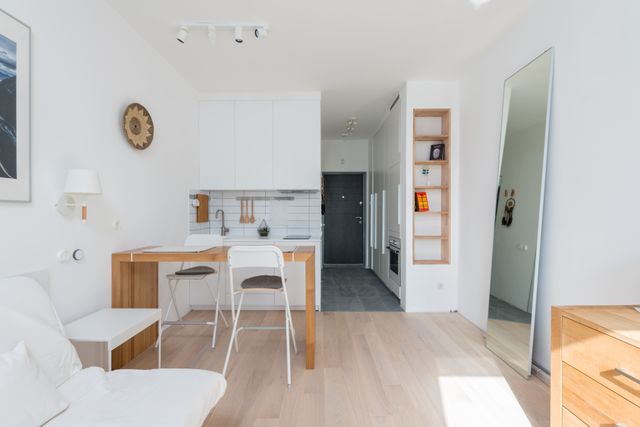
For investors, this variety creates opportunity. A single-family home may attract a family or long-term household, while a duplex or multi-family property may appeal to owners seeking multiple income streams. The key is choosing the property type that fits your strategy.
Single-Family Rentals: Pros, Cons, and Tenant Profile
Single-family rentals are often a familiar starting point and may appeal to renters who want space, privacy, parking, or a yard.
The biggest advantages are tenant stability, simpler operations, and long-term appreciation potential. Renters who choose a house may be more likely to stay longer, which can reduce vacancy, turnover costs, and marketing expenses. These homes can also appeal to both future homeowners and investors if you decide to sell later.
The main drawback is vacancy risk. If the home is empty, rental income usually drops to zero until a new tenant moves in. Single-family homes can also carry higher per-unit maintenance costs because the owner is responsible for the full roof, yard, exterior, HVAC system, appliances, and other systems serving one rental unit.
Multi-Family and Duplexes: Scalability, Cash Flow, and Complexity
Duplexes, triplexes, fourplexes, and small multi-family properties can be attractive for investors who want more than one income stream without moving directly into large apartment ownership. If one unit is vacant, another unit may continue producing income, which can reduce the financial impact of turnover.
The main benefits are income diversification and scalability. Multiple units can create more consistent cash flow, and one property may support several rent streams.

The trade-off is added complexity. Shared walls, parking areas, trash areas, laundry spaces, yards, or common entries can create more opportunities for complaints or disputes. Maintenance coordination can also become more involved when one issue affects multiple tenants.
Apartment Complexes: When They Make Sense for Lane County Investors
Apartment complexes can offer strong income potential and scalability, but they are not the right fit for every investor. Larger properties require more capital, stronger systems, more vendor coordination, and closer attention to financial performance.
They may make sense for investors who want portfolio growth, multiple rental streams, and the ability to improve value through better leasing, rent optimization, expense control, maintenance planning, and tenant retention. However, as unit count increases, professional management becomes more important. A weak screening process, missed maintenance system, or poor rent collection strategy can affect many units at once.
Learn how we can help you maximize your home’s potential.
Cap Rates and Returns: What Investors Should Compare
When comparing single-family and multi-family rentals, investors often ask which one delivers better returns. The answer depends on the deal.
Cap rate, cash-on-cash return, appreciation potential, financing terms, maintenance costs, rent growth, vacancy, management costs, and operating expenses all matter. A multi-family property may show stronger gross income, but expenses may also be higher. A single-family home may have lower monthly cash flow, but it may appreciate well and attract longer-term tenants.

Do not compare properties based only on monthly rent. Compare net operating income, risk, time commitment, and long-term goals.
Oregon Rent Control Considerations
Oregon’s rent stabilization rules affect many residential rental properties, including both single-family and multi-family rentals. For covered properties, annual rent increases are limited by state law, and landlords must follow notice requirements and other rules.
This matters when comparing asset classes. A multi-family property with below-market rents may not be able to reach market rent immediately if units are occupied and covered by rent stabilization. Investors should use realistic rent growth assumptions, handle lease management carefully, and consult a qualified Oregon attorney for legal advice.
How to Choose Based on Your Investment Goals
There is no one-size-fits-all answer when comparing single-family and multi-family rentals in Springfield. The right choice depends on your goals, budget, risk tolerance, and desired level of involvement.
A single-family rental may be a good fit if you value simplicity, long-term appreciation, tenant stability, and a property that may appeal to both renters and future buyers.
A duplex or small multi-family property may be a good fit if you want multiple income streams, better vacancy protection, and a path to portfolio growth without buying a larger complex.

An apartment building may be a good fit if you have more capital, want scale, and are prepared for more structured operations and professional management.
Why Professional Management Matters
Single-family homes, duplexes, multi-family buildings, and apartment complexes all require strong management. The details may differ, but the fundamentals are the same: accurate pricing, strong marketing, thorough screening, clear lease terms, rent collection, maintenance coordination, inspections, financial reporting, and tenant communication.
Campus Connection Property Management works with owners across Lane County, including Springfield, Eugene, Junction City, Creswell, and Coburg. Whether you are comparing your first rental purchase or expanding an existing portfolio, professional guidance can help you evaluate the numbers, understand management needs, and avoid preventable mistakes.
Bottom Line
Single-family and multi-family rentals can both be strong investments in Springfield, Oregon. The better choice depends on the property, the numbers, your goals, and your risk tolerance.
If you are deciding between single-family and multi-family rentals in Springfield or anywhere in Lane County, our property management team can help you evaluate your options and choose an investment strategy that supports long-term success.
