- Key Takeaways
- Step 1: Document Your Home's Features
- Step 2: Find Comparable Rentals
- Step 3: Adjust for Differences
- Step 4: Consider Oregon Rules That Affect Rent
- Step 5: Pick a Rent Range
- Step 6: Compare Rent to Your Costs
- Step 7: Market the Home Well
- Step 8: Review and Adjust
- Bottom Line
- Frequently Asked Questions About How Much a Eugene House Can Rent For
Key Takeaways
- Build a reliable rent estimate by comparing similar Eugene homes and separating advertised prices from rents achieved on completed leases.
- Evaluate whether targeted improvements, such as better insulation or updated flooring, justify their cost before investing in renovations.
- Account for management fees, turnover expenses, seasonal maintenance, and potential vacancies when assessing your rental property's profitability.
- Choose lease terms that suit your property's likely demand, including whether an academic-year schedule or a traditional twelve-month lease makes more financial sense.
- Reassess your pricing strategy using actual listing performance and current comparable rentals rather than relying on your original estimate indefinitely.
If you own a home in Eugene, Springfield, or elsewhere in Lane County and you are thinking about renting it out, the first number you need is the rent. It decides how quickly you find a resident, how much income you earn, and how stable your tenancy is likely to be.
And in a market shaped by a major university, long rainy seasons, and a strong community of renters, getting that number right takes more than a quick online search.
Campus Connection Property Management gives you a practical method for pricing a Eugene rental. It is designed for homeowners who want to understand the process, whether they plan to manage the property themselves or hire help. Rental conditions change, so rely on current local data, and treat the steps here as a framework rather than a promise of any specific amount.
Learn how we can help you maximize your home’s potential.
Step 1: Document Your Home's Features
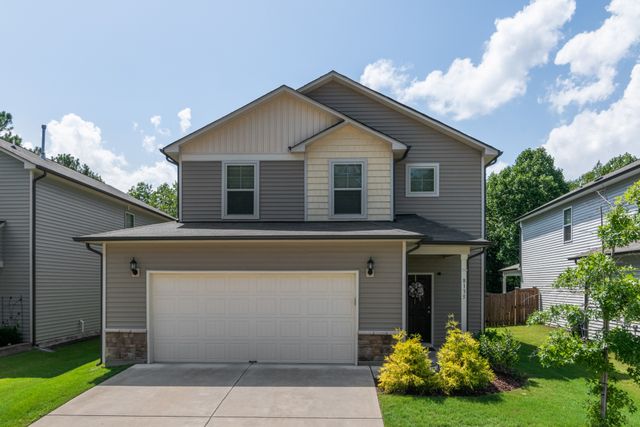
List the facts: bedrooms, bathrooms, finished square footage, lot size, year built, and the age and condition of the roof, heating system, windows, and water heater. Note extra features such as a garage, off-street parking, a fenced yard, in-unit laundry, a deck, or a bonus room.
In Eugene, good insulation, efficient heating, and dry storage matter because of the wet season. Mention anything that reduces utility costs.
Be honest about condition. Fresh paint, clean floors, and a tidy yard are inexpensive improvements that can lift the rent you can achieve. Deferred maintenance, such as a mossy roof, damp crawlspace, or stained carpet, will hold the price down and may slow the lease-up.
Walk the property in the rain if you can. Look for drips at windows, soft spots under sinks, and puddles near the foundation. Eugene renters are used to wet weather, and a home that stays dry and warm is a major selling point. Photograph any problem and fix it before you list.
Step 2: Find Comparable Rentals
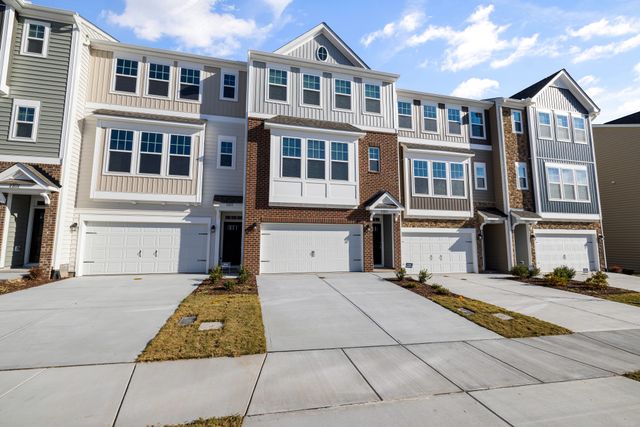
Look for homes similar to yours in the same part of town. Match the number of bedrooms and bathrooms and the approximate size. In Eugene, location can change value quickly. A home within walking or biking distance of campus or a main transit line is in a different category from one on the edge of town.
Neighborhood character matters too. Check recent and active listings, and note the rent, features, condition, and days on the market.
Try to include both active and recently leased properties. Asking rents are a ceiling. Leased rents tell you what renters have actually been willing to pay. If most of the similar listings stay on the market for a long time, the market is suggesting that prices are high.
Talk to people who know the area in Oregon, such as neighbors, local property professionals, or university housing offices, to learn how demand changes through the year. Local knowledge can reveal details no listing site shows, such as construction on a nearby street or a new bus route.
- Gather five to eight comparable homes.
- Note bedrooms, bathrooms, size, and parking.
- Compare condition and updates, not only features.
- Track how long each listing has been active.
Step 3: Adjust for Differences
Adjust your comparables up or down depending on how your home stacks up. Is yours closer to campus? Does it have a garage when the others do not? Is the kitchen updated? Rank each feature as better, similar, or worse.
A simple rent-per-square-foot calculation can serve as a cross-check, but remember that smaller homes often rent for more per square foot than larger ones.
Also think about the lease structure. Student rentals in Eugene often follow a rhythm tied to the academic calendar, with demand building in late summer, and some landlords offer leases that align with it. Others prefer a standard twelve-month lease. Your lease approach can influence both your rent and your vacancy risk.
If you are considering a student household, think about the paperwork as well. Joint liability among roommates, guarantor requirements, and clear rules about occupancy and guests should be spelled out in the lease. Verify current requirements and consult a qualified attorney before you draft special terms.
Step 4: Consider Oregon Rules That Affect Rent
Oregon has statewide rules that affect how much and how often rent can be increased once a tenancy is under way. These limits, along with notice requirements, apply in many situations and can change from year to year, so verify current requirements before you set your starting rent.

Because future increases can be limited, your initial rent matters even more. Setting it accurately from the start protects your income over the life of the tenancy.
Oregon also has detailed rules about security deposits, notices, and the grounds and procedures for ending a tenancy. Consult a qualified attorney for legal questions, and make sure your lease and your practices match current law.
Learn more about our company.
Step 5: Pick a Rent Range
With adjusted comparables in hand, set a range. Consider three levels: a lower number that should lease quickly, a middle number that reflects the typical market, and an upper number for a premium home. For many owners, the middle of the range is the sweet spot, because it balances income with a short vacancy.
Think about timing, too. A home listed in a busy period may rent quickly at a stronger price, while one listed during a slow stretch may need a sharper number. Plan your listing date around the demand pattern for your type of home.
Step 6: Compare Rent to Your Costs
Once you have a target, check it against your expenses. Add mortgage payments, property taxes, insurance, maintenance, a reserve for repairs, a vacancy allowance, and management fees if applicable.
In Eugene, consider seasonal expenses such as gutter cleaning, moss control, and heating costs for vacant periods. Subtract everything from your target rent to find your cash flow.

If the number is too thin, look for ways to improve it: small upgrades that increase value, a cheaper way to maintain the home, or a different strategy altogether. But do not raise the price just to cover costs, because the market will not follow.
Remember to include utilities if you will pay any of them. Water, sewer, and garbage are sometimes included in Eugene rentals, and who pays can change what renters are willing to pay. State this clearly in the listing and the lease so there are no surprises.
Step 7: Market the Home Well
The right price needs the right presentation. Take bright photos on a clear day, show every room, and highlight what makes the home special. Describe nearby parks, trails, transit, and shops. State your pet policy, lease terms, and move-in date clearly. A strong listing builds trust, and trust shortens the time to lease.
Respond promptly to messages, offer clear showing windows, and provide a simple application process. Prospective residents often judge how an owner will behave from the first few exchanges, so every reply is part of your marketing.
Our full-service property management includes tenant screening, marketing and rent-pricing analysis, maintenance oversight, and a password-protected online portal showing payment history and maintenance request status.
Step 8: Review and Adjust
After you list, watch the response. If inquiries and showings are strong but applications are slow, consider whether terms or conditions are an obstacle. If you have almost no interest after a week or two, your price or your listing may be off. Make small, quick adjustments rather than waiting a month.

Keep good records of repairs, resident requests, and market changes so you can explain any adjustment. Residents who feel respected and informed are more likely to renew, which saves you the cost of vacancy, cleaning, and marketing. A stable tenancy at a fair rent is often worth more than chasing the last few dollars.
Bottom Line
A careful analysis can save you thousands of dollars over the course of a lease. If you would like a local, no-cost estimate, Campus Connection Property Management is ready to help. Call (541) 556-1144 or visit https://www.oregoncampusrentals.com/contact-us to request your free rental analysis.
We want to hear from you.
Frequently Asked Questions About How Much a Eugene House Can Rent For
Should I Furnish My Eugene Rental House Or Offer It Unfurnished?
Compare the likely rent and operating costs for both options before investing in furniture. Furnished rentals may appeal to owners targeting shorter stays or specific housing needs, while unfurnished homes may suit households seeking a longer-term arrangement.
Consider furniture purchases, replacement costs, storage, cleaning, and additional turnover work alongside any potential rent premium.
How Much Should I Budget For Property Management In Eugene?
Build management expenses into your cash-flow forecast before deciding whether a proposed rent makes financial sense. Review the management fee, leasing charges, renewal fees, setup costs, and any additional service fees rather than comparing monthly percentages alone.
How Does The University Of Oregon Academic Calendar Affect Rental Pricing?
The academic calendar can influence when some Eugene rental properties attract interest, particularly homes marketed toward students near the University of Oregon. However, demand patterns vary by property type, location, lease structure, and the timing of competing listings.
What Should I Fix Before Raising The Rent On My Eugene House?
Prioritize repairs that protect the property, address moisture intrusion, and improve everyday functionality before spending on cosmetic upgrades. In Eugene, it is sensible to assess roof and gutter condition, drainage, ventilation, heating performance, and signs of dampness.
Then compare the cost of each proposed improvement with the features and condition of similar rental homes.
What Oregon Rent-Increase Rules Should Eugene Landlords Consider When Setting Rent?
Oregon's rent-increase rules can affect future income planning, so distinguish the rent you establish for a new tenancy from increases during an existing tenancy. The applicable requirements depend on factors such as the property's age, the type of tenancy, and any relevant exemptions or special regulations.
Oregon publishes an annual maximum percentage for covered tenancies; for 2027, the published maximum is 10% for tenancies subject to ORS 90.324(b). That figure does not apply universally to every rental arrangement. Verify current state requirements and notice rules before making a decision, and consult a qualified attorney for property-specific legal questions.
